What Causes Cravings? The Science of the Urge, in Plain Terms
A craving isn't a character flaw or a sign you're broken. It's a predictable brain process with triggers, a shape, and an expiry time. Understanding it makes it much easier to beat.

The Rebuild team
May 19, 2026 · 3 min read
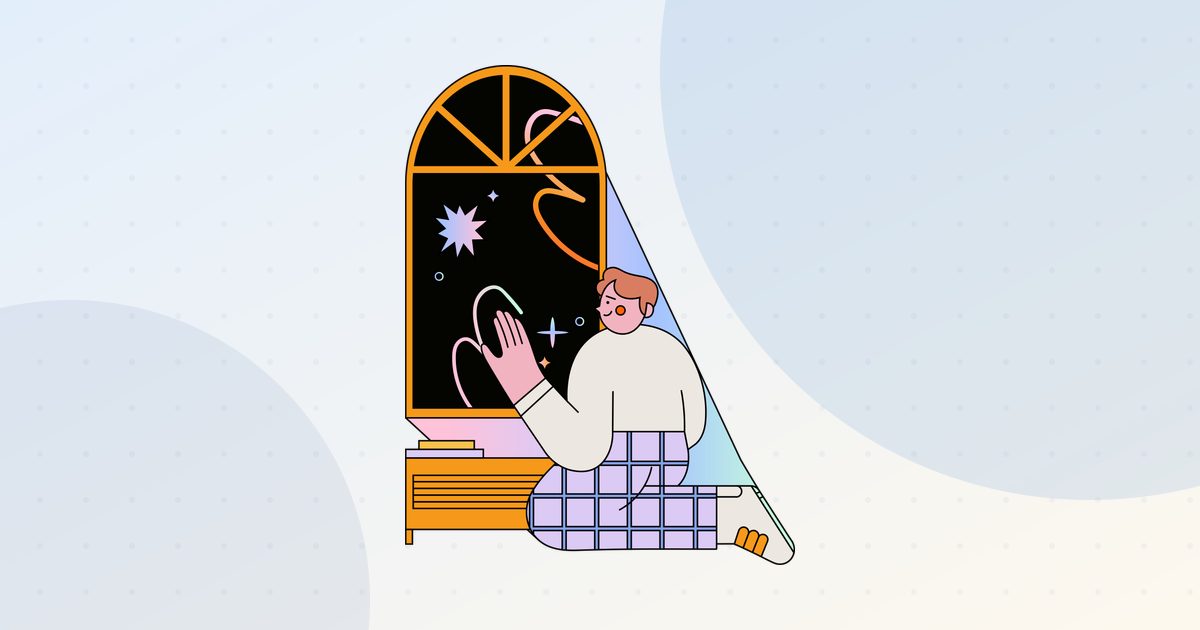
When a craving hits hard, it’s easy to read it as a personal failing — proof you have no willpower, that something’s wrong with you. It isn’t. A craving is a specific, well-understood brain process. Knowing how it works takes away a lot of its authority.
A craving is a prediction, not a need
Your brain is a prediction machine. When it encounters a cue it has previously linked to a reward — the smell of cigarettes, the sight of your couch, 9pm, a stressful email — it releases dopamine in anticipation. Crucially, dopamine here isn’t pleasure. It’s a “go get it” signal, and it’s designed to feel urgent and slightly unpleasant so that you move.
So the craving isn’t your body needing the thing. It’s your brain predicting the thing and nudging you toward it. The prediction can be completely wrong and still feel overwhelming.
Cues are everywhere, and they’re learned
Every time you paired a behaviour with a context, you trained a cue:
- Places: the couch, the balcony, a particular bar, your desk.
- Times: mid-afternoon, right after dinner, the first minute awake.
- Emotions: stress, boredom, loneliness, even celebration.
- People: the friend you always drank with, the coworker you always smoked with.
- Sequences: finish a meal → dessert. Pour a coffee → cigarette.
This is called cue reactivity, and it’s why a craving can appear out of nowhere: an unnoticed cue fired. Part of recovery is just becoming aware of your cues so they stop ambushing you.
Cravings have a shape
A craving is not a steady state you have to endure indefinitely. It rises, peaks, and falls — usually within a few minutes, with the whole wave mostly gone in 15 to 20. If you’ve only ever given in near the peak, you’ve never seen it break on its own. That’s the experience urge surfing is designed to give you.
The craving’s job is to make you act now. Its power depends on you believing it can’t be waited out. It can.
Why they get louder
Cravings spike when your defences are down. The classic acronym is HALT — Hungry, Angry, Lonely, Tired. Add stress, alcohol, and poor sleep. In these states the urge isn’t stronger; your ability to sit with it is weaker. The fix is often to address the underlying state — eat, rest, vent — not to fight the craving directly.
Withdrawal also amplifies cravings for the first days or weeks after you stop something, then settles. A spike on day 10 isn’t a sign of failure; it’s the withdrawal curve doing its thing — see why you relapse.
What to do with this
- Name it. “This is a craving. It’s a prediction, it will peak in a few minutes, and it will pass.” Narrating it shrinks it.
- Find the cue. What just happened — a place, a feeling, a time? Knowing the trigger lets you pre-empt it next time.
- Delay, don’t fight. Use the 5-minute rule. You’re outlasting a wave, not winning an argument.
- Log the win. In Rebuild, a resisted craving becomes a brick you place toward something you’re building — so the invisible act of not-doing finally leaves a mark.
A craving is loud, physical, and convincing. It is also temporary, predictable, and beatable. None of that is willpower — it’s just knowing what you’re looking at.
Turn your next “no” into a brick
Rebuild makes every resisted urge count: earn bricks, build your monument, and never lose what you built when you slip. Free on iOS & Android.