How to Quit Smoking: The First 30 Days, Hour by Hour
The first month is where most quit attempts are won or lost. Here's what to expect from nicotine withdrawal week by week, and a practical plan to get through the cravings.

The Rebuild team
July 10, 2026 · 3 min read
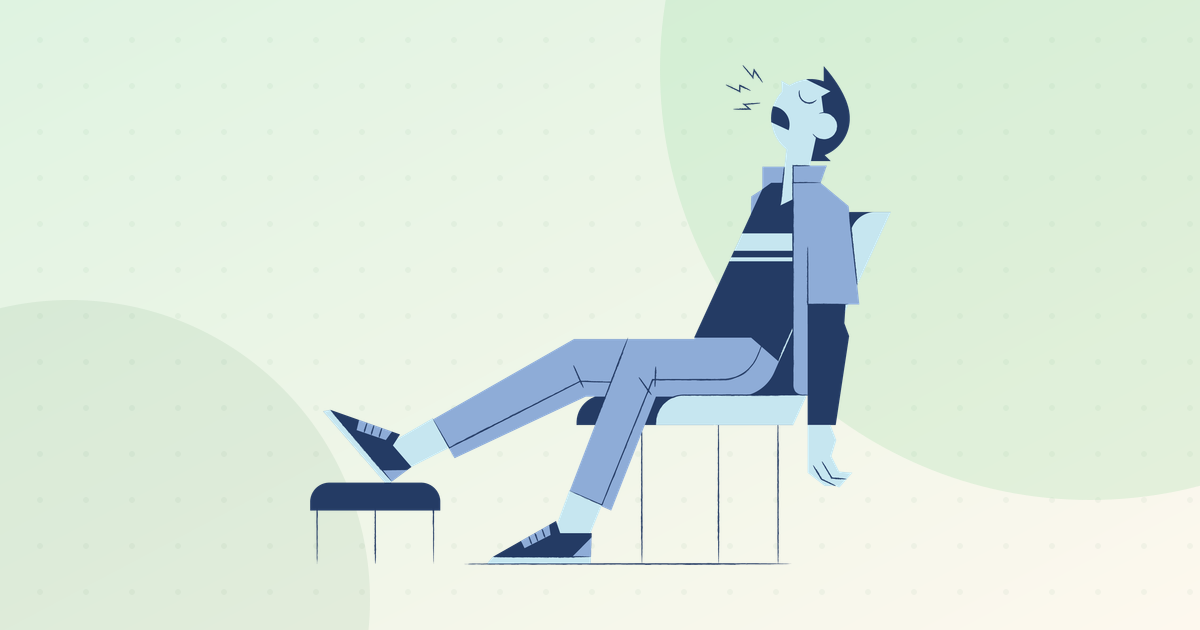
Quitting smoking is not one hard thing. It’s a few hundred small hard moments spread over a month, most of them lasting three to five minutes. If you know that going in, and you have a plan for the small moments, the big thing takes care of itself.
Here’s what the first 30 days actually look like.
What nicotine withdrawal does
Nicotine leaves your body within about 72 hours. The physical dependence is largely gone by the end of week one. What lingers after that is the habit — the hand-to-mouth ritual, the cigarette that goes with coffee, the smoke break that’s really a break from people. That’s why week two and three can feel harder than day two: the chemical part has faded, but the routine is still calling.
Common symptoms: irritability, restlessness, trouble concentrating, low mood, hunger, disrupted sleep, and cravings that come in waves. All of it peaks in the first week and eases steadily after.
Day 1–3: the physical peak
- Cravings are frequent and sharp. They still only last a few minutes. Use the 5-minute rule: don’t say never, say not for five minutes, and start a timer.
- Change your hands and mouth. Cold water, gum, a toothpick, sunflower seeds, a pen to fidget with. The ritual is half the addiction.
- Break the pairings. Different chair for coffee. Walk a different way. Skip the drink that always came with a cigarette, just for now.
- Tell people. “I quit three days ago” out loud makes it real and gets the ritual smoke-break off the table.
Day 4–7: the fog
The physical withdrawal is fading but you may feel flat, foggy, and short-tempered. This is the stretch where people cave “just to feel normal.” Sleep as much as you can, eat properly (low blood sugar mimics a nicotine craving), and move your body daily — a brisk walk genuinely blunts cravings.
A slip never knocks anything down. If you smoke one, you haven’t “failed the quit” — you’ve had one cigarette. Put it down and keep going from the same day.
Week 2: the habit fights back
The chemical need is mostly gone, so your brain gets clever: one won’t matter now, you’ve basically quit. This is the classic relapse trap — read why you relapse. It doesn’t take one cigarette to restart the addiction, but it takes one cigarette to restart the argument every single day. Keep the rule absolute: not one.
Watch your specific triggers. By now you know them: after meals, driving, drinking, stress, certain people. Have a pre-planned move for each.
Week 3–4: the new normal
Cravings are now occasional rather than constant — a few a day, then a few a week. Your taste and smell are back, your resting heart rate is down, and the smoke break has been replaced by whatever you put there instead. The risk now is complacency at a party or a stressful day. Treat those as known hazards, not surprises.
Make the 30 days visible
The hardest part of quitting is that resisting a cigarette produces nothing you can see. You white-knuckle through a craving and there’s no evidence it happened. A month of that with no feedback is exhausting.
Rebuild gives each of those moments a payoff: every craving you resist earns bricks, and you place them to build something real. Day 18 stops being an anxious number and becomes a monument you can look at. Slip on day 19 and the build stays standing — your bricks don’t disappear, only your streak bonus pauses. That’s what keeps a bad Tuesday from becoming a lost month.
Vaping counts too
If you’re quitting a vape, the timeline is the same — nicotine is nicotine — but the constant availability makes the habit loop tighter. The friction step matters more: don’t carry it, don’t keep a backup, don’t “taper” indefinitely. Pick a date and treat it like the last cigarette.
Thirty days from now the physical addiction is behind you and you’re managing a fading habit. Every one of those five-minute waves you ride is a brick. Start stacking.
Turn your next “no” into a brick
Rebuild makes every resisted urge count: earn bricks, build your monument, and never lose what you built when you slip. Free on iOS & Android.